MWAC Hygiene Specialists
Brampton food safety and professional sanitation experts help you keep restaurants, food distribution centers, bakeries, warehouses, and food service vehicles clean to code. They disinfect frequently contacted surfaces, food preparation areas, equipment, floors, drains, restrooms, and food prep areas using approved chemicals, correct dilution, and verified exposure periods. in maintaining dining venues, commissaries, baking operations, warehouses, and food service units in compliance. They sanitize frequently touched areas, food-contact surfaces, equipment, floors, drains, restrooms, and food handling zones with approved chemicals, correct concentration, and documented exposure durations.
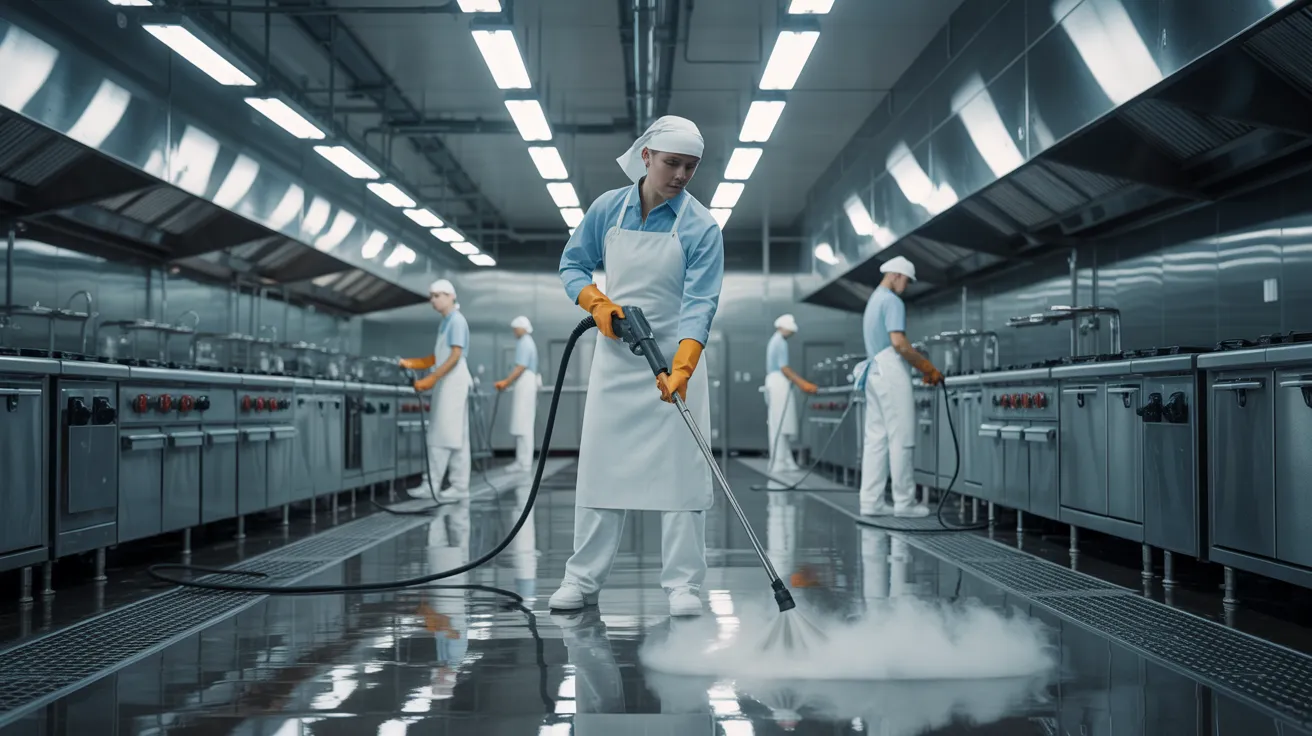
Key Takeaways
- Brampton food safety cleaning experts maintain restaurants, grocery departments, commissaries, warehouses, bakeries, schools, mobile vendors, and allergen-sensitive operations.
- Sectional methods disinfect frequently contacted areas, food-contact equipment, kitchens, floors, drains, restrooms, and storage areas for reducing cross-contamination.
- Approved sanitizer dilution, suitability, and contact time are validated by certified contractors, with finalization recorded via swabs, inspections, and corrective-action records.
- Sanitation plans should respect threat, production volume, transitions, accidents, and regulations, with daily, weekly, and cyclical duties distributed by location.
- Opt for providers with HACCP, public-health, competency, WHMIS, instruction, liability, testimonials, color-coded equipment, and assessment-ready cleaning files.
Food Safety Cleaning Requirements for Brampton Establishments
You must maintain food safety cleaning if your facility is falls under public health inspection, food premises regulations, or internal HACCP-based controls. This covers food venues, break rooms, food centers, supermarket areas, butcheries, seafood displays, shops, and commercial food prep.
You'll equally need proper hygiene protocols in storage centers, processing facilities, refrigerated warehouses, bakery retailers, school nutrition programs, event halls, and delivery centers. Seasonal and mobile ventures matter as well, including mobile kitchens, market vendors, and seasonal booths. Should your employees work with ingredients, section ready-to-serve foods, heat meals, or keep allergens stored, your establishment requires recorded sanitation procedures. In Brampton, sanitation stays required; it represents regulatory, business, and safety adherence.
What Do Brampton Cleaning Professionals Handle?
You need professional cleaners who disinfect frequently contacted areas, kitchen areas, floors, and bathrooms to meet food safety and public health standards. They focus on these spaces because they present the highest risk for contamination spread, slip hazards, and sanitation breaches.
Understanding their cleaning procedures enables you to validate your facility's cleaning meets operational demands and regulatory compliance.
Addressing High-Touch Surface Disinfection
Trained Brampton sanitization specialists appreciate that high-touch surfaces demand sterilization since these areas accumulate harmful organisms and food particles. You need a scheduling system for sterilizing door handles, push plates, switches, railings, shared equipment controls, POS terminals, and refrigerator pulls. Implementing surface identification mapping, teams pinpoint every high-traffic zone and establish cleaning schedule
confirm adequate sanitization
Kitchen Areas, Floor Surfaces, and Bathroom Spaces
Brampton cleaning services focus on kitchens, floors, and restrooms as each zone presents different food safety, accident, and public health concerns. In industrial kitchens, you need grease removal from cooking stations, appliance surfaces, drain systems, preparation areas, and backsplashes to minimize contamination and pest pressure.
Floor care that is documented should also be anticipated. Technicians clean and remove buildup from grout, tile, and vinyl flooring, then apply appropriate drying controls so you can limit falls and maintain code-compliant conditions. They also address entryways where moisture and debris migrate indoors.
In restrooms, cleaners treat contact surfaces, bathroom hardware, partition walls, accessory dispensers, and receptacles then refill supplies and eliminate odor. They also maintain restaurant cleaning supply rooms where product storage, sink cleanliness, and drain systems impact daily sanitation standards and worker protection.
How Food Safety Cleaning Benefits Brampton Operations
To comply with regulatory mandates and pass inspections, Brampton facilities must maintain food-safe cleaning standards. You also reduce bacterial spread through proper cleaning of food-preparation surfaces, appliances, and frequently-touched items. Most importantly, you safeguard community wellness by reducing the chance of food poisoning in your establishment.
Regulatory Code Requirements
Since Brampton food businesses must follow stringent health requirements, your hygiene maintenance directly affects your capacity to satisfy health codes, defend diners, and eliminate regulatory penalties. You must maintain clean food preparation areas, recorded sanitation plans, safe chemical management, and traceable training practices that comply with municipal and provincial inspection expectations.
Inspectors assess your operation to determine that your cleaning procedures maintains secure product handling, machinery hygiene, trash control, and facility cleanliness.
Contamination Prevention
Meeting health code standards also depends on your capacity to stop cross-contamination during daily food handling and cleaning. You must keep raw items away from prepared dishes, clean work areas after each use, and keep cleaning products separate from food areas. Established guidelines minimize contamination chances and ensure ongoing adherence to health checks.
You should establish allergen separation to keep priority allergens from contacting common work areas, storage bins, or tools. Use dedicated cutting boards, color-coded tools, and strict utensil labeling so staff don't mix items throughout cooking or serving. Require handwashing after handling raw meat, seafood, eggs, or allergen-containing products. Replace wiping cloths regularly, and check disinfectant potency using test kits. When staff members receive training on these procedures every shift, you build a more hygienic, secure workplace that satisfies Brampton's safety standards consistently.
Public Health Safeguarding
If proper sanitation deteriorates, you don't merely face potential inspection issues—you boost the probability of pathogenic contamination affecting customers, staff, and the broader Brampton area. You also undermine your responsibility in protecting public health, especially in high-traffic food premises where contamination can spread quickly through surfaces, equipment, and touchpoints.
You depend on cleaning procedures that eliminate contaminants, properly disinfect, and verify results. This entails adhering to exposure times, deploying approved disinfectants, maintaining records, and training employees to fulfill compliance standards. These actions support pathogen control by reducing microbes before contaminating food or hands. In Brampton, effective cleaning shields vulnerable populations, curtails outbreak likelihood, and proves your diligence. When you maintain standards, you go beyond regulations—you meaningfully lower danger and promote secure food service across the region.
In What Ways Does Cleaning Help Achieve Food Safety Compliance?
Committing to rigorous cleaning routines underpins food safety compliance by decreasing contamination threats, limiting pathogen development, and positioning your facility in accordance with sanitation requirements under HACCP-based programs and public health regulations. You validate that contact surfaces appear visibly clean and microbiologically controlled, backing documented preventive controls and inspection readiness.
Strategic cleaning practices also strengthen allergen prevention by eliminating residues that can cause undeclared allergen exposure.
Establishing When to Arrange Commercial Cleaning
surfaces can collect contamination
monthly schedules for drains, vents, storage racks, and hard-to-reach equipment zones, based on inspection data and sanitation documentation.
How Do You Choose Brampton Cleaning Experts?
Begin by evaluating providers based on food-safe sanitation requirements—not solely on price alone. You should confirm that each organization comprehends CFIA, public health, and HACCP-based requirements applicable to your facility. Request proof of insurance, WHMIS compliance, staff training documentation, and oversight procedures. Assess whether technicians recognize cross-contamination risks, chemical handling protocols, and verifiable sanitation records.
Additionally, you need to evaluate service dependability and responsibility. Obtain references from Brampton food operations, then review response times, corrective-action procedures, and communication practices. Verify the company supports supplier audits and can deliver compliance-ready records when inspectors or external parties need proof. Verify equipment is maintained, colour-coded tools are applied correctly, and location-specific dangers are identified. A capable service ensures compliance, product quality, and your reputation.
What details should a Food Safety Cleaning Plan contain?
Develop a written plan that makes clear every sanitation responsibility, standard, and task before production begins. You should detail cleaning schedules, authorized chemicals, concentration levels, contact duration, implements, and validation techniques for each zone, surface, and piece of equipment. Incorporate pre-operational inspections, corrective actions, and employee training practical guide requirements.
Your framework should also include cross-contamination controls, waste handling, pest-prevention measures, and documented schedules for restrooms, drains, floors, and food-contact areas. Specify how you'll separate raw and ready-to-eat processes, support ingredient tracking, and copyright accurate allergen labeling through validated cleaning between product changes. You should define accountability, preserve signed records, and check results against regulatory standards, HACCP controls, and customer requirements. When gaps appear, adjust procedures immediately and retrain staff.
Frequently Posed Questions about the Plan
Are cleaning services offered for overnight shifts in Brampton facilities?
Yes, you can arrange sanitation coverage to support nighttime operations in Brampton facilities. You'll coordinate overnight sanitation around production windows, access controls, and personnel needs. Services generally outline overnight procedures to reduce disruption, maintain compliance, and record finished work. You should verify arrival timeframes, supervision, lockout procedures, and waste handling before service begins.
Are hazard containment solutions available from Brampton cleaning experts?
Yes, you can expect Brampton cleaning experts who provide hazard containment services. They handle contamination, assess risks, contain contamination, and begin swift cleanup to minimize risk and avoid operational disruption. You should verify arrival timeframes, professional credentials, PPE protocols, and disposal procedures. If your facility must comply with industry standards, choose a provider that records events, maintains regulatory procedures, and enables compliance verification.
Will environmentally safe disinfectants protect safely food-handling equipment?
Absolutely, plant-based sanitizers prove to be suitable for food preparation areas when you pick products labeled food safe and satisfying regulatory requirements. You must validate application timing, mixing proportions, and rinse procedures prior to application. Botanical formulations decrease harsh chemical exposure, though you still need evidence of effectiveness against specific pathogens. For keeping surfaces residue-free, adhere to manufacturer directions precisely and verify your disinfectant adheres to food industry regulations.
Will cleaning schedules respond to seasonal variations?
Absolutely, cleaning plans enable modification for production fluctuations. Adapt schedules, labor allocation, sanitizers, and verification steps to match production rhythms while preserving regulatory requirements. Reduce equipment downtime through planning sanitization amid production shifts, peak volumes, and usage cycles. Also revise procedural documents, employee training, and environmental testing to capture periodic risks, novel allergens, or increased soiling. Continuous reviews preserve your strategy functional.
Do professional cleaning services train staff on hygiene standards?
Yes, professional cleaning services typically educate your staff on hygiene standards. You receive staff training on proper chemical use, contact times, cross-contamination prevention, machine breakdown, and record keeping. They generally follow instruction with HACCP, GMP, and CFIA or regional health department requirements. Many also conduct sanitation audits to confirm adherence, identify gaps, and strengthen remedial steps. This helps you maintain consistent procedures, pass inspections, and reduce food safety risks regularly.
Summary
Partnering with Brampton commercial cleaning and food safety professionals means more than cleaning—it ensures your facility meets inspection standards and your standards are defensible. From kitchen areas to production zones, each sanitized surface and organized section reduces health hazards and avoids costly disruptions. By arranging service on appropriate schedules and implementing a thorough cleaning program, you shield staff, your customers, and your image. In a tightly controlled market, clean environments can't be overlooked—they're vital to proper management.